Applebee’s Allergen Menu With Prices For 2026
A menu built around loaded appetizers, cheese-covered entrées, and sauce-heavy specials can feel like a lot to navigate when you’re managing a food allergy, and Applebee’s, like most casual dining chains, isn’t a dedicated allergen-free kitchen. The Applebee’s Allergen Menu With Prices exists to make that navigation a bit more manageable, giving guests a clearer picture of where dairy, gluten, soy, and nuts tend to show up across the menu before they order.
This guide walks through the allergen landscape across appetizers, entrées, salads, kids’ meals, and desserts, along with pricing so you can weigh cost and safety in the same glance. You’ll also find guidance on cross-contact risk, since shared kitchen equipment remains a factor regardless of what a specific dish’s ingredient list says. Whether you’re ordering for yourself or a child with a known sensitivity, this overview should give you a solid starting point.
Applebee’s Allergen Menu With Prices
Applebee’s provides allergen information covering common triggers like dairy, gluten, soy, eggs, peanuts, fish, and shellfish across its full menu, including appetizers, entrées, salads, desserts, and kids’ meals. Because food is prepared in shared kitchen spaces, this guide should be used as a planning tool alongside a direct conversation with restaurant staff rather than a standalone guarantee.
Appetizers & Shareables
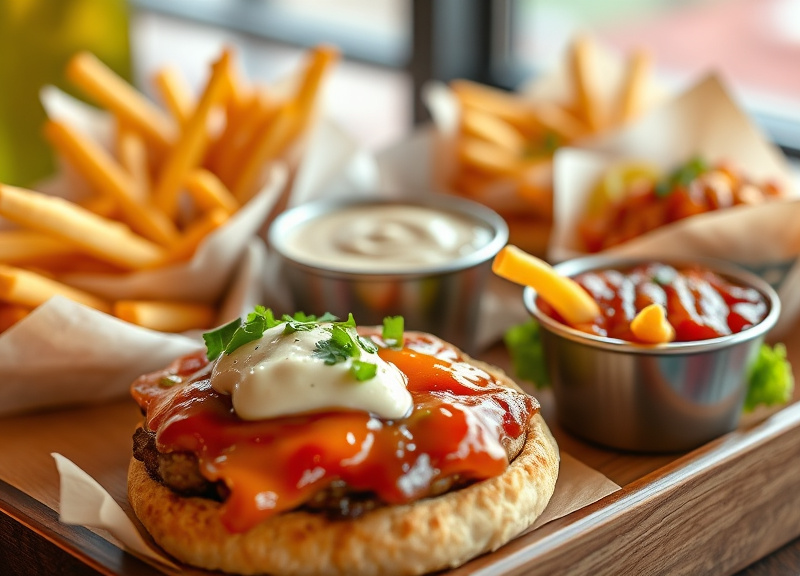
Appetizers & Shareables tend to carry some of the highest allergen complexity on the Applebee’s menu, since many of these dishes combine breaded, fried, and cheese-topped components into a single shareable plate. This category requires extra attention for guests managing multiple sensitivities at once.
The Brew Pub Loaded Waffle Fries, layered with melted cheddar cheese blend and additional toppings, introduces both wheat and dairy as core ingredients rather than easily removable garnishes, making this one of the riskier shareable options for guests avoiding either allergen. Because it’s also fried, shared fryer oil adds an additional layer of cross-contact risk for guests avoiding gluten specifically.
Mozzarella sticks and other breaded, fried appetizers follow a similar pattern, combining wheat-based breading with a dairy-based cheese filling, making them unsuitable for guests avoiding either allergen without significant modification. Shrimp-based appetizers introduce shellfish as a direct concern, and guests with shellfish allergies should avoid this sub-category entirely rather than attempting to modify around it.
Guests looking for a lower-risk starter should generally lean toward simpler options like a plain side salad without cheese or croutons, since composed appetizers on this menu tend to layer multiple allergens together rather than featuring just one.
Because appetizers are meant for sharing, it’s worth confirming allergen details specifically for whichever items your table plans to order, rather than assuming the entire category carries a uniform risk profile.
| Item | Price | Common Allergens |
|---|---|---|
| Brew Pub Loaded Waffle Fries | $14.99 | Wheat, dairy |
| Mozzarella Sticks | $9.99 | Wheat, dairy |
| Chicken Wonton Tacos | $12.99 | Wheat, soy |
| Shrimp Appetizers | $13.99+ | Shellfish |
Entrées & Sandwiches
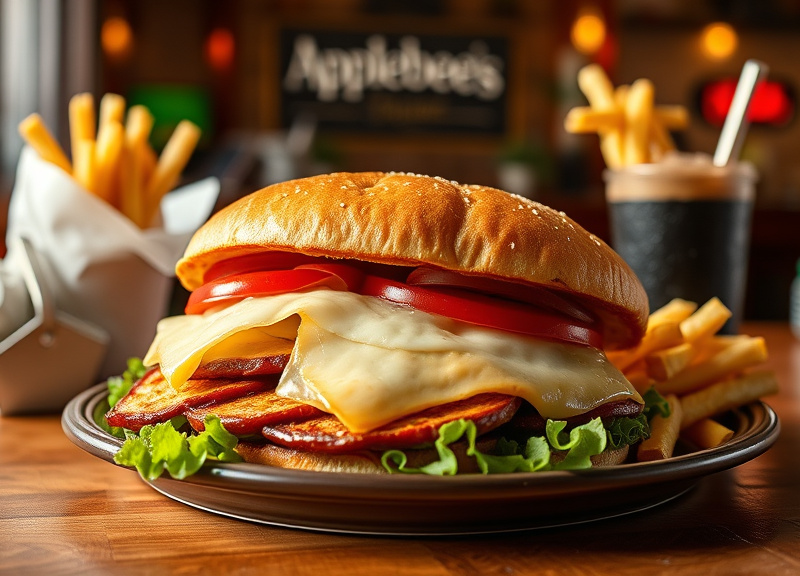
Entrées & Sandwiches present a wide allergen range at Applebee’s, largely depending on whether a dish is grilled or fried, and whether it comes standard with cheese, sauce, or a bun. This category rewards guests who take a moment to customize their order before it heads to the kitchen.
Grilled chicken entrées, ordered without additional sauce or cheese, tend to carry a meaningfully lower allergen risk than their breaded, crispy, or sauce-heavy counterparts, similar to the pattern found across many casual dining allergen guides. Burgers and sandwiches introduce wheat through the bun by default, and dairy through standard cheese toppings, though both can typically be modified or removed upon request.
Pasta dishes are a direct and unavoidable wheat source, given the pasta itself, making this sub-category generally unsuitable for guests avoiding gluten regardless of what sauce or protein accompanies the dish. Soy-based sauces, found in several of the Asian-inspired entrées and appetizers, add another layer of allergen consideration for guests specifically avoiding soy.
Because Applebee’s menu leans heavily into cheese-topped and sauce-forward dishes, guests managing dairy allergies specifically should expect to request modifications on a significant portion of the entrée menu rather than finding many naturally dairy-free options as-is.
Fish entrées carry an obvious fish allergen concern, and guests with fish or shellfish allergies should also consider shared fryer and prep surface risk if ordering a different item that happens to be prepared near seafood dishes in the kitchen.
| Item | Price | Common Allergens |
|---|---|---|
| Grilled Chicken (plain) | $14.99 | Lower allergen risk |
| Classic Burger (bun, cheese) | $13.99 | Wheat, dairy |
| Pasta Entrées | $14.99+ | Wheat (gluten) |
| Fish/Seafood Entrées | $16.99+ | Fish, shellfish |
Salads
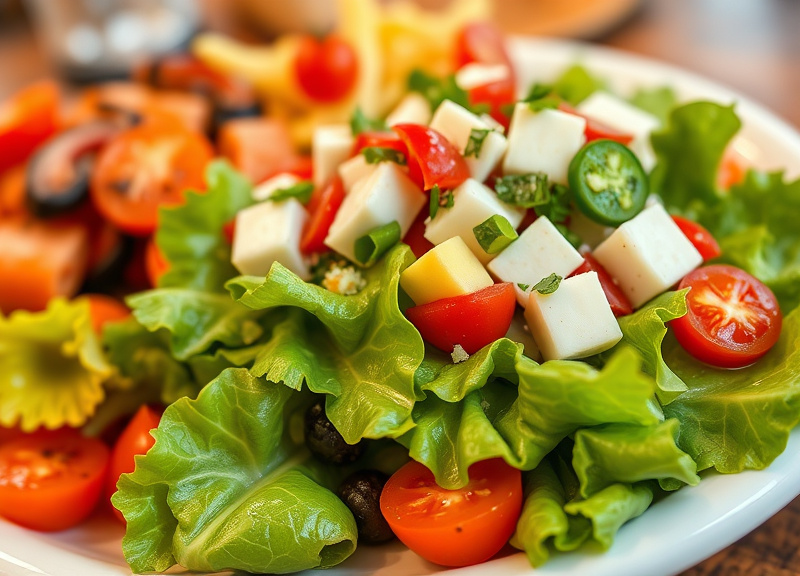
Salads at Applebee’s can generally be made allergen-friendlier through simple modifications, primarily by removing cheese and croutons, and choosing a dressing that doesn’t contain dairy or egg as a base ingredient.
Grilled chicken salads, ordered without cheese and with a vinaigrette instead of a creamy ranch or Caesar-style dressing, tend to be one of the safer composed dishes on the entire menu for guests avoiding dairy and egg. Because croutons are the primary wheat source on most salads, requesting them removed addresses the majority of the gluten concern for guests avoiding that allergen.
Some specialty salads include nuts as a topping, such as candied pecans or almonds, which should be flagged and removed for guests with tree nut allergies, since these toppings aren’t always obvious from the dish name alone.
Because salads are assembled from individual components rather than being a single cooked dish, they offer more direct control over allergen content compared to a composed entrée like pasta or a loaded burger, making this category one of the easier ones to navigate with the right modifications.
Dressing on the side remains a smart default request across this entire category, giving guests direct control over how much of a potentially allergen-containing dressing actually ends up on their plate.
| Item | Price | Common Allergens |
|---|---|---|
| Grilled Chicken Salad (no cheese, vinaigrette) | $12.99 | Lower allergen risk |
| Specialty Salad (with nuts) | $13.99 | Tree nuts (check topping) |
Kids’ Menu Allergens
Kids’ Menu Allergens deserve particular attention, since Applebee’s kids’ menu shares many of the same allergen patterns found throughout the adult menu, and parents ordering for children need clear information before finalizing a choice.
Dairy is a consistent concern across several kids’ favorites, showing up directly in the pizza, mac and cheese, cheeseburger, and Alfredo pasta options. Gluten is similarly present across the buns, pizza crust, and pasta dishes, making these items unsuitable for children with a wheat allergy or gluten sensitivity without significant menu adjustment.
Applebee’s specifically offers an allergen-friendly grilled chicken option on the kids’ menu, positioned as a safer alternative for children managing food sensitivities compared to the pizza or pasta options. This item, paired with a simple side like fruit or steamed broccoli rather than fries, generally represents the lowest-risk complete meal available for younger guests.
Eggs show up in some sauces and baked items across the kids’ menu, while nuts are generally absent from most standard kids’ items, though cross-contact remains possible given the shared kitchen environment. Soy and wheat are both common in breaded items and sauces served to younger guests.
Because children may have less awareness of their own allergy symptoms, parents managing a known food allergy should confirm details directly with their server rather than relying solely on a printed or online allergen guide, particularly for a child with a severe or newly diagnosed allergy.
| Item | Common Allergens | Notes |
|---|---|---|
| Kids’ Pizza | Wheat, dairy | Crust and cheese |
| Kids’ Mac & Cheese | Wheat, dairy | Direct allergen source |
| Kids’ Cheeseburger | Wheat, dairy | Bun and cheese |
| Kids’ Grilled Chicken (allergen-friendly) | Lower allergen risk | Recommended safer option |
Desserts
Desserts remain one of the more allergen-heavy categories at Applebee’s, since nearly every item on the dessert menu is built around dairy, eggs, and gluten as core structural ingredients rather than optional toppings.
The Chocolate Molten Lava Cake and Cast-Iron Skillet Blondie both contain wheat, dairy, and eggs as fundamental components, making full avoidance difficult for guests managing more than one of these specific allergies. Cheesecake, being an especially dairy and egg-forward dessert, presents similar challenges for guests avoiding those particular allergens.
Guests with nut allergies should specifically ask about any dessert topped with nuts or nut-based garnishes, since chocolate desserts in particular sometimes carry a higher cross-contact risk in kitchens that also prepare nut-containing items.
Because dessert is often the final course of a meal, guests may be less vigilant by the time it’s ordered, so it’s worth deciding on a dessert plan earlier in the visit if allergies are a significant concern, rather than making a rushed decision after the entrée arrives.
For guests who need to avoid the majority of desserts due to allergy concerns, it may be more practical to simply conclude the meal after the entrée, given how limited the allergen-friendly options are within this specific category.
| Item | Common Allergens |
|---|---|
| Chocolate Molten Lava Cake | Wheat, dairy, egg |
| Cast-Iron Skillet Blondie | Wheat, dairy, egg |
| Cheesecake | Dairy, egg |
Does Applebee’s Guarantee Allergen-Free Meals?
No, Applebee’s does not guarantee any menu item is completely free of allergens, since food is prepared using shared equipment and surfaces across the full kitchen. The restaurant’s own guidance recommends that guests inform their server of any food allergies before ordering and check applebees.com or speak directly with restaurant management for the most current allergen information.
Guests with severe or life-threatening allergies should treat the published allergen menu as a starting point for the conversation rather than the final word, and consider speaking with the manager on duty for more complex accommodations. Because Applebee’s is a mix of company-owned and franchised locations, allergen practices and menu formulations can occasionally vary slightly between restaurants, making it worth confirming details directly with your specific location.
Items like plain grilled chicken paired with a simple, unadorned side generally represent the lowest overall allergen risk across the menu, functioning as a reliable fallback for guests managing multiple sensitivities at once.
Frequently Asked Questions
Where Can You Find The Applebee’s Allergen Menu With Prices?
You can find the Applebee’s Allergen Menu With Prices on the official Applebee’s website, where allergen information is typically listed alongside nutrition details for the full menu. Many locations can also provide allergen information upon request in-store.
Reviewing the guide ahead of time helps you compare allergen risk across appetizers, entrées, and desserts at your own pace, which is especially useful when ordering for a group with multiple dietary restrictions.
Does The Applebee’s Allergen Menu Cover All Sauces And Dressings?
Yes, Applebee’s allergen guidance generally covers sauces and dressings used across the menu, helping guests identify which options contain dairy, egg, soy, or gluten before ordering. Because recipes can occasionally change, confirming with your server for a specific sauce is still worthwhile.
Before ordering, it’s worth asking whether a specific sauce or dressing has changed recently if you’re relying on it being allergen-free for a known sensitivity.
Can Kids With Allergies Eat Safely At Applebee’s?
Yes, but with careful planning. Items like plain grilled chicken and steamed broccoli are generally considered lower-risk choices for children with allergies, according to Applebee’s own guidance, while cheese and gluten-heavy items like pizza and mac and cheese carry more direct risk.
Parents should inform their server of any specific allergy and consider requesting the allergen-friendly grilled chicken option available on the kids’ menu.
Why Might Allergen Information On The Applebee’s Menu Change?
Allergen information can change due to ingredient sourcing updates, new menu items, or recipe reformulations. Applebee’s periodically updates its allergen guidance to reflect these changes, so the most current version should always be consulted before ordering.
You should treat the published allergen guide as a helpful planning resource, but confirm directly with restaurant staff before ordering if you have a severe or life-threatening allergy.
Does Applebee’s Offer Gluten-Free Or Dairy-Free Menu Options?
Yes, Applebee’s offers some gluten-free and dairy-free choices, primarily built around grilled proteins and simple, unadorned sides rather than a dedicated separate menu. Guests should still confirm specific preparation details with staff, since the restaurant is not a certified allergen-free facility.
Before ordering, it’s worth asking your server which specific modifications, such as a bunless burger or dressing on the side, would best fit your dietary needs.
Final Word
The Applebee’s Allergen Menu With Prices makes it much easier to plan a safer visit before you sit down to order. From choosing plain grilled chicken over a cheese-loaded burger to knowing which appetizers and desserts carry the most layered allergen risk, having this breakdown in hand helps you navigate a menu built around indulgent, shareable comfort food.
Keeping this guide on hand also helps when you’re dining with a group that includes someone managing a food allergy, since it’s easier to steer the table toward lower-risk shared items without slowing everyone else down. Since allergen information can shift with menu updates and Applebee’s is not a certified allergen-free kitchen, speaking directly with your server or the manager on duty remains essential for any severe allergy. With the right information in hand, you can enjoy your meal while staying mindful of what’s actually safe for you to eat.